New

The WPforOps Manifesto. Why WordPress can run more of your organisation than you think.

Read it
  1. Home
  2. Where we work
  3. United Kingdom
  4. Website migration, UK

Website migration, UK

Website migration for UK organisations, planned so nothing is lost

We move UK websites to WordPress from other platforms, between hosts and between registrars. Content, redirects, email and data are planned and checked so the move is invisible to your visitors.

Currency
Pound sterling (GBP)
Payments
Stripe, GoCardless, PayPal
Data protection
UK GDPR and the Data Protection Act 2018
Time zone
UTC+0 (GMT) / UTC+1 (BST), 0 to 1 hour behind Lagos
Overview

Website Migration for organisations in the United Kingdom.

Organisations move websites for many reasons: a builder that has become limiting, a CMS that is no longer supported, a host that is slow or expensive, or a wish to bring several tools into one platform. Whatever the reason, the risks are the same: lost content, broken links, interrupted email and a drop in search visibility.

We treat migration as its own discipline rather than a side task. Every move starts with an inventory of what exists and ends with checks that it all works in the new place.

In detail

Website Migration in the United Kingdom, in detail.

01

From another CMS or builder to WordPress

We migrate from website builders, older content management systems and custom platforms. Pages, posts, images, documents, users and, for stores, products and orders are moved where the source system allows export, then checked against the original. Formatting is cleaned up rather than copied blindly, so the new site does not inherit years of old markup. Before switching, we compare page counts, media and key data between the old and new systems, and share the results with you.

02

Redirects that keep rankings and links

Old addresses are the hidden value in any site. Partners, directories, social posts and old newsletters link to them, and search engines have ranked them. We crawl the old site, map every valuable URL to its new home and set permanent redirects. After launch we monitor Google Search Console and fix any errors quickly. Redirects are tested in bulk before launch, not only by spot checks, so chains and loops are caught early.

03

Moving a .co.uk domain safely

.uk and .co.uk domains do not move with an authorisation code. The current registrar changes the domain's Nominet IPS tag to the new registrar's tag, and that change does not move your website or mailboxes on its own. We copy all DNS records first, coordinate the tag change, and confirm that the website and email keep working before anything at the old provider is cancelled.

04

Personal data during the move

Migrations often involve customer, member or applicant records. Under UK GDPR those must stay secure during the move, and if the new host or any tool sits outside the UK, the transfer needs adequacy, safeguards or an exception. We move data over encrypted connections, keep temporary copies only as long as needed, and record where everything ends up for your data protection lead.

05

What migration costs

Migrations start from $1,000 per migration. Moving platforms with a redesign, or moving a large store with order history, is scoped accordingly. Your written scope lists every item being moved, so nothing is assumed. A simple host move for a small WordPress site sits at the lower end, while moving from a proprietary CMS with members or orders takes more planning and testing. Domain transfers and email moves can be included in the same project so there is one plan and one team responsible for the whole switch.

What a migration includes

What a migration includes.

Strategy & Design from $1,500 · Development from $5,000 · Managed Services from $2,000 per year. See pricing

  • Inventory of content, users, files and integrations
  • Content moved and checked against the original
  • URL map and permanent redirects
  • DNS copied before any domain or host change
  • Nominet IPS tag change coordinated for .uk domains
  • Email continuity checks
  • Secure handling of personal data in transit
  • Search Console monitoring after launch
Our work

Platforms we have built.

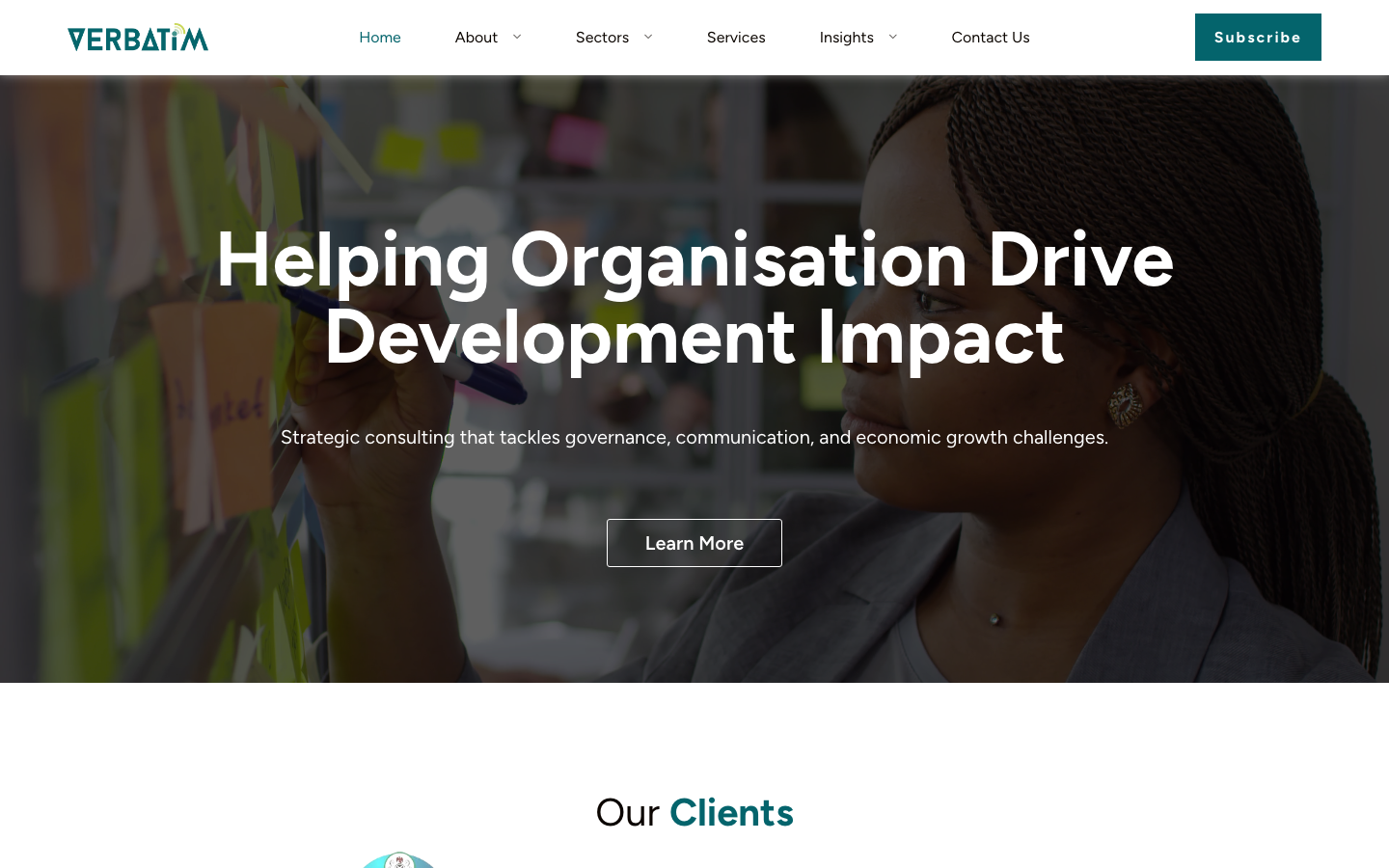
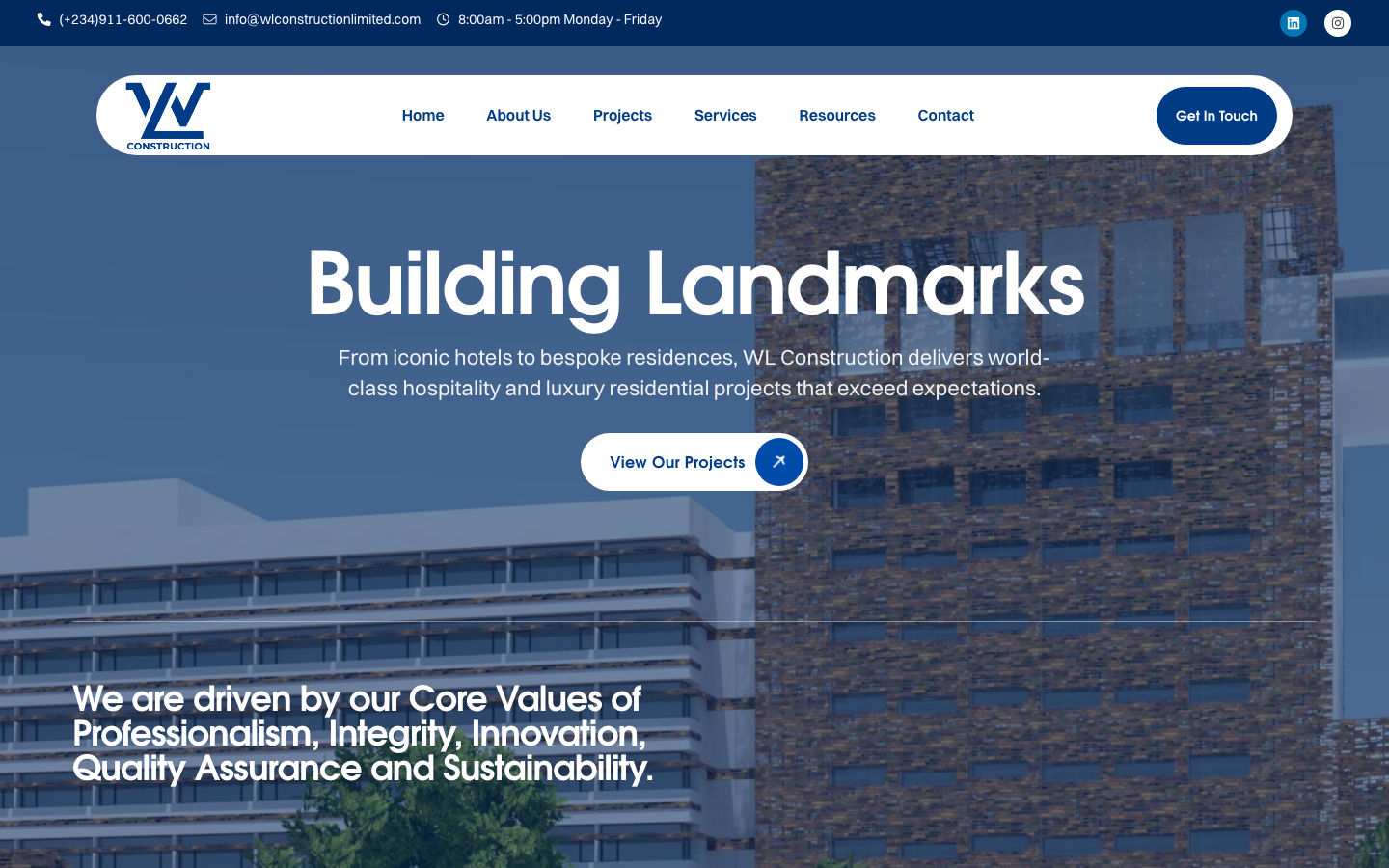
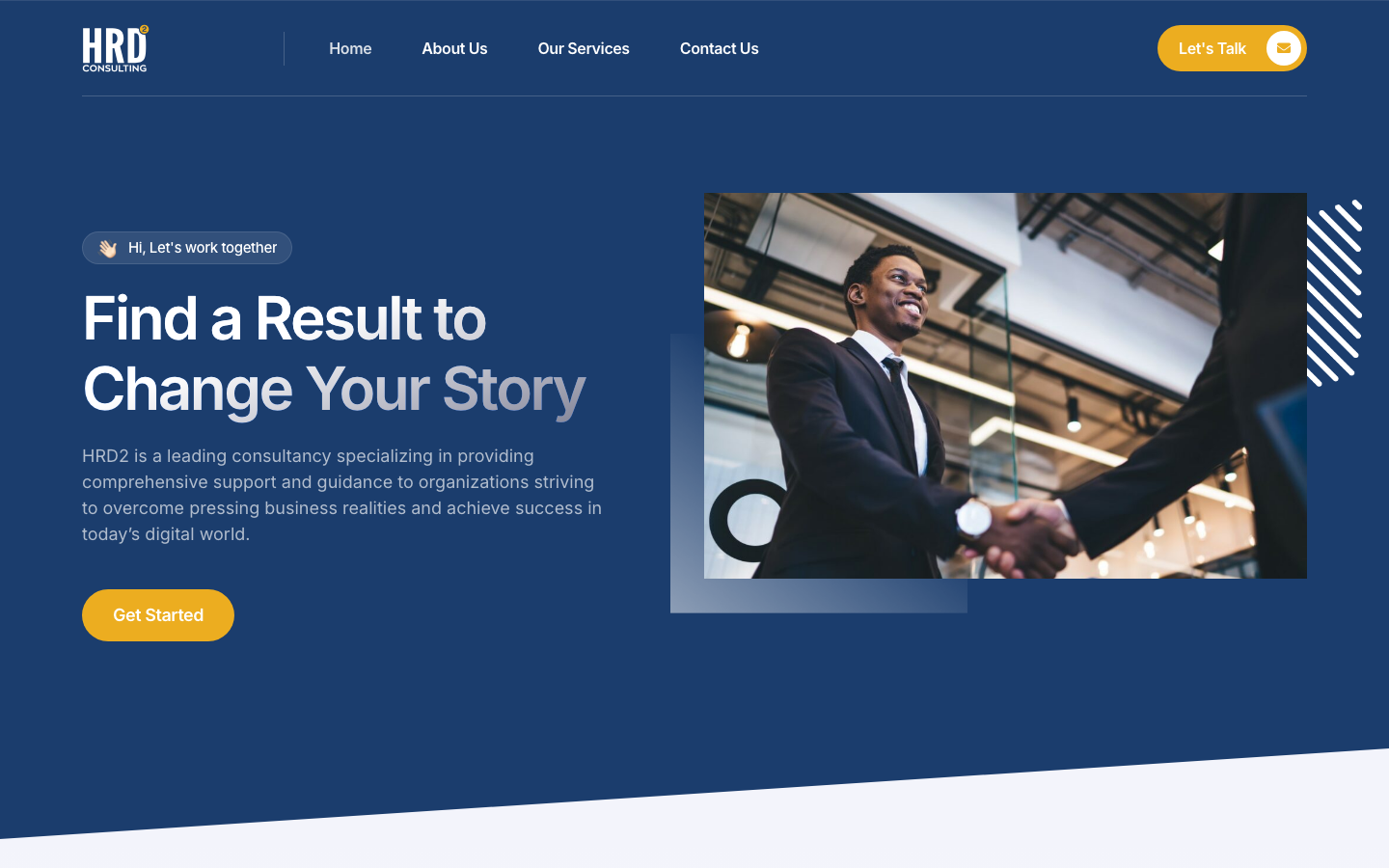
Verbatim and WL Construction are rebuilds of existing websites, the kind of project where careful migration matters, and HRD2 shows our work for a UK organisation.

Questions

Frequently asked questions

Will our site go offline during the migration?

Normally no. We build the new version on a separate server, test it, then switch DNS at a quiet UK time. Visitors move to the new site as DNS updates, with the old one still running until the change completes.

How do you transfer a .co.uk domain?

The current registrar changes the Nominet IPS tag to the new registrar's. We tell you the exact tag, coordinate with your current provider and check DNS before and after. Domain ownership stays with your organisation throughout. Your current registrar may ask you to confirm the request.

Can you migrate our email as well?

Yes. We move mailboxes to Google Workspace, Microsoft 365 or Zoho where needed, and keep the domain's email records in place during the switch so messages are not lost. Calendars and contacts can be moved too where the provider supports it.

Will we lose search rankings?

With a full redirect map and careful checks, a migration should hold its position. Some short-term movement is normal while search engines recrawl. We monitor Search Console and fix issues promptly. We also keep the old site's URL list for reference after launch.

How much does a website migration cost?

Migrations start from $1,000. The final price depends on the size of the site, the source platform, data such as orders or members, and whether a redesign is included. You get a written scope first. The scope also lists anything that cannot be moved, so there are no surprises.

Start a project

Tell us what you need WordPress to do.

A new website, a redesign, a client portal, a booking system, or a move from another platform. Tell us what you need and we will tell you how WordPress can carry it.

What happens next

  1. 01
    Introductory callUnderstanding the project, the organisation, and the brief.
  2. 02
    Discovery questionnaireThe detail we need before designing anything.
  3. 03
    Scope agreementDeliverables, timeline, and investment confirmed in writing.
See how a project runs